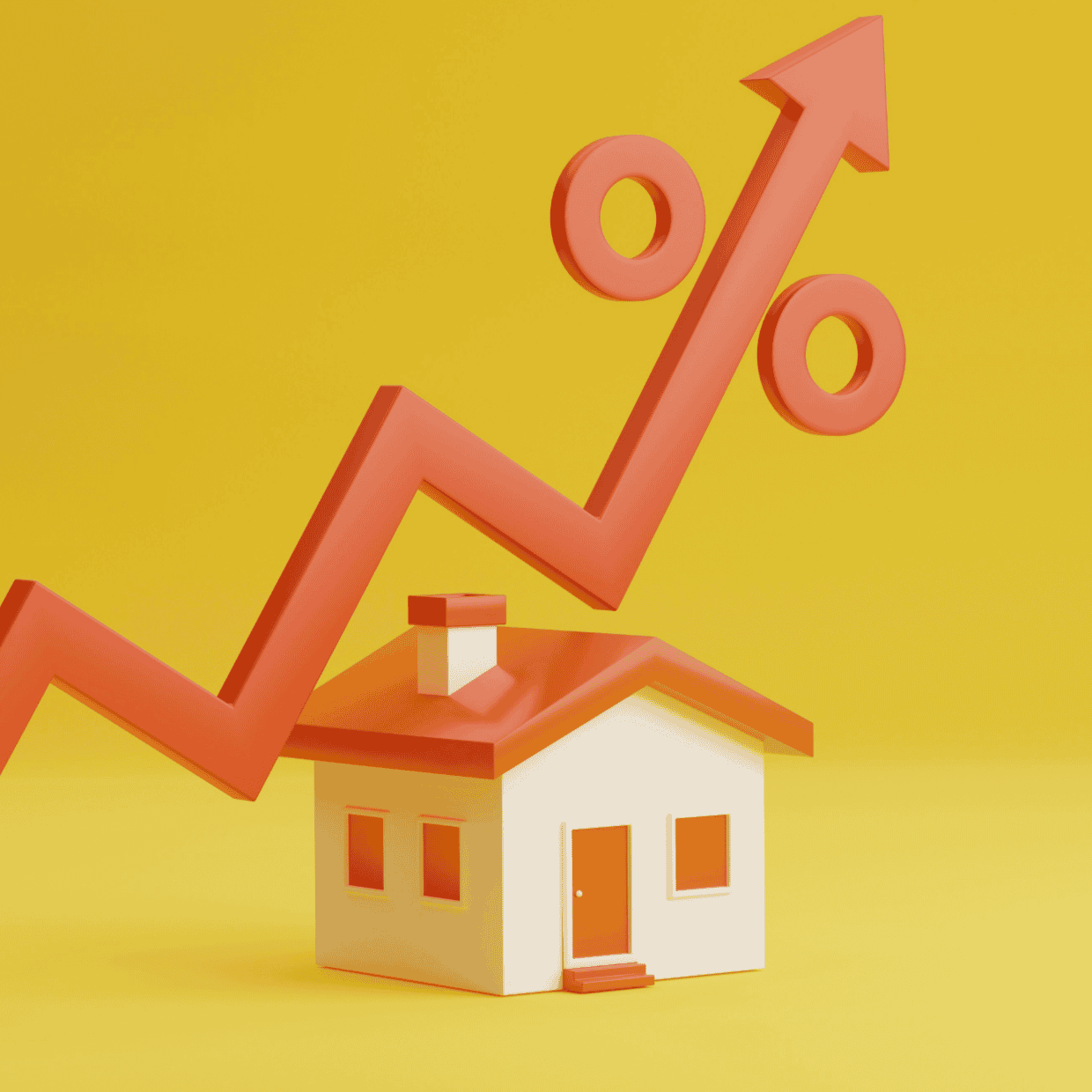
How could tensions in Iran affect your mortgage?
Tensions have once again risen in the Middle East. On 28 February 2026, US President Donald Trump ordered strikes against Iranian targets, further escalating instability in the region.

Pod Bhogal, Chief Market Officer
3 min read
While headlines focus on geopolitics and issues of national security, events thousands of miles away will have implications closer to home.
Energy prices, inflation and interest rates.
Understanding the connection between energy prices, inflation and interest rates helps explain why these developments across the world are being watched closely by economists and central banks alike.
The global oil chokepoint
Iran sits next to one of the most strategically important shipping routes in the world: the Strait of Hormuz.
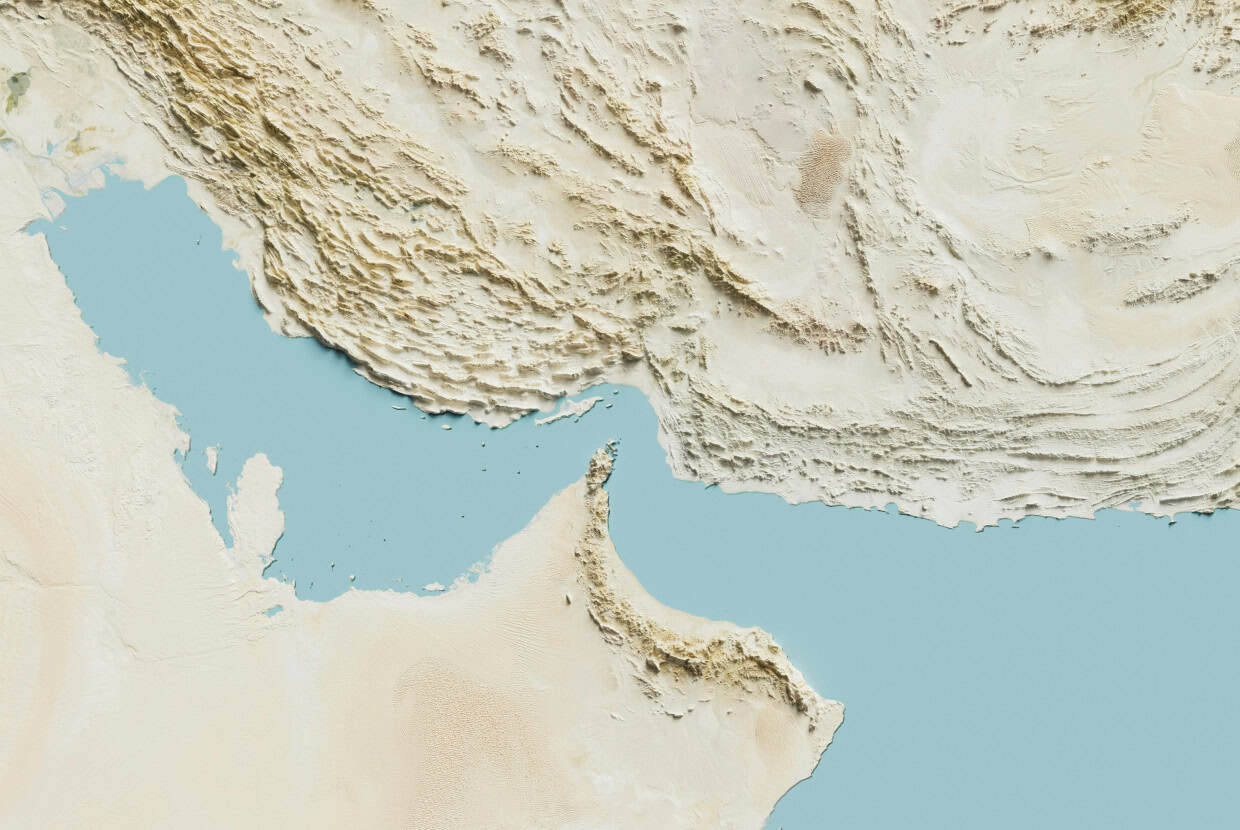
A significant proportion of the world’s oil supply passes through this narrow stretch of water every day. That means escalation of tensions in the region can disrupt global energy markets.
Oil prices and inflation
Energy is a foundational input in almost every part of the economy.
Higher oil prices impact:
- fuel and transport
- heating and electricity
- food production and distribution
- manufacturing and logistics
When energy becomes more expensive, those costs are passed onto the production and delivery of goods and services.
While Chancellor Rachel Reeves’ recent Spring Statement indicated that inflation is expected to fall to 2-2.3% in the next couple of years, it also highlighted that current global uncertainty threatens this.
The Bank of England’s response
The Bank of England’s primary task is to keep inflation under control, with a target of 2%.
As inflation risks increase, The Bank of England is likely to become more cautious about cutting interest rates. A much-anticipated rate cut expected in March 2026 was delayed, as economists predicted.
What this means for your mortgage
Increasing inflation means the Bank of England is likely to keep interest rates higher for longer.
For homeowners, ministry workers and churches with a mortgage, this could mean:
- higher monthly payments when a fixed-rate mortgage comes to an end.
- mortgage rates falling more slowly than previously expected.
- lenders increasing borrowing costs.
Inflation continues to sit above the Bank of England’s target. For many individuals and organisations, these increased living and operating costs have an impact on the sustainability of their ministry activities, particularly as more people are reaching out for help and support.
Why Christian savings matter even more
When the cost of borrowing rises, it becomes more difficult for churches and ministry workers to access affordable mortgages for buildings and homes from which they share the good news of Jesus. Kingdom Bank works differently from most banks. The savings entrusted to us by Christians are used to provide mortgages for churches across the UK.
That means when Christians choose to save with Kingdom Bank – at a modest rate of savings interest – we can keep borrowing costs as affordable as possible for churches seeking to share the gospel.
Interpreting the bigger picture
In uncertain economic times, where you choose to save matters. By saving with Kingdom Bank, Christians can help ensure churches across the UK can continue accessing the buildings and homes they need to serve their communities.
Stay informed
If you would like more insights on the economic trends shaping savings, lending and ministry finances, you can subscribe to the Kingdom Bank newsletter, Kingdom Connect, for regular updates and commentary.
About the author
Pod is Kingdom Bank’s Chief Market Officer and has experience across the charity, public, and commercial sectors. He is passionate about helping churches and Christian charities thrive.
Pod Bhogal, Chief Market Officer