Trump’s tariffs are back in the headlines, how do they affect you?
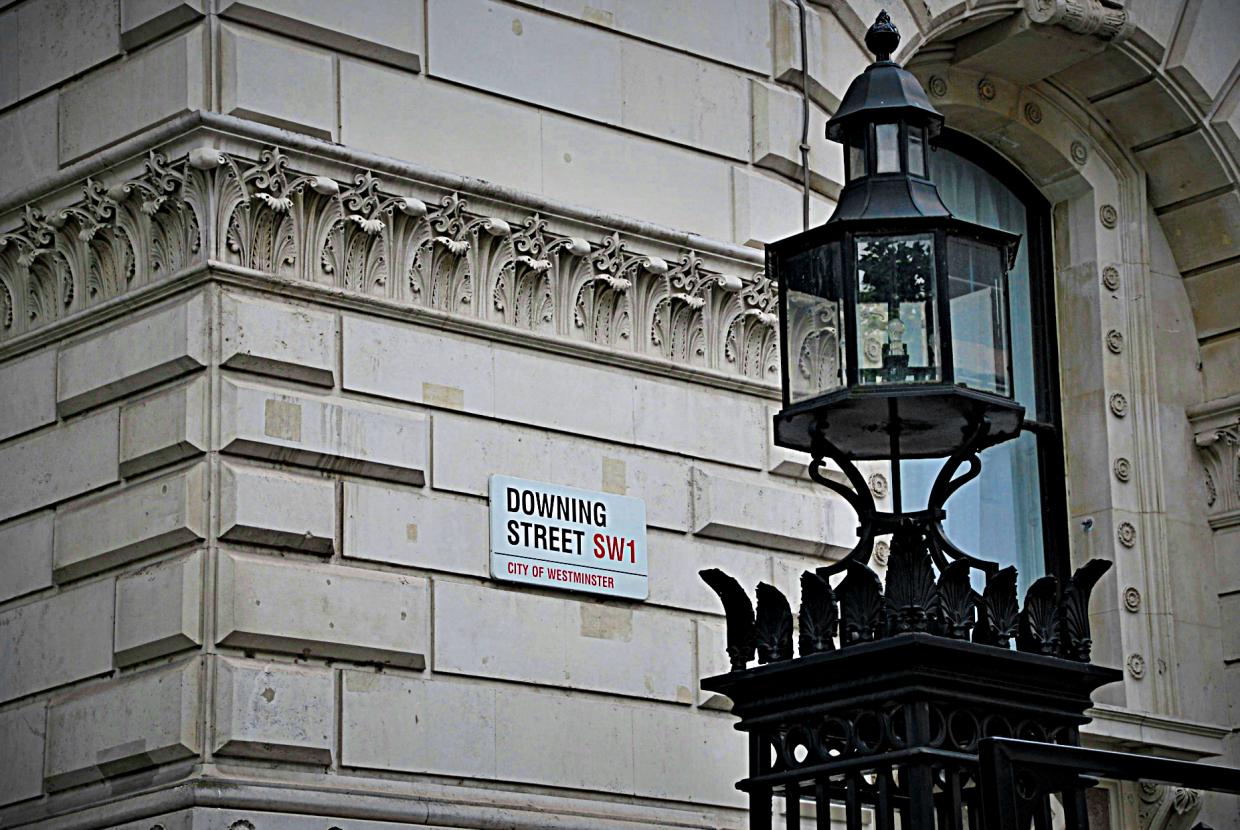
Tariffs have returned to the news cycle following comments from Donald Trump about trade, borders and global economic leverage with specific reference to Greenland.

Pod Bhogal, Chief Market Officer
4 min read
Why tariffs are in the news again
Tariffs made headlines recently because of a dispute between the United States and several European countries, including the UK. In January 2026, US President Donald Trump announced tariffs of 10% on goods imported from the UK and seven European countries, linked to disagreements over territorial and defence matters around Greenland. These tariffs were said to rise to 25% by June unless tensions were resolved.
The planned tariffs were pulled back following diplomatic discussions, seemingly averting an imminent tariff escalation.
While these specific threats have eased for now, trade tensions remain live. For many in the UK, this can feel distant and abstract. But tariffs can have significant economic consequences that can ripple through global markets and, ultimately, impact household finances, inflation, and even charitable giving.
So, what is a tariff, how does it work, and how can it impact you?
What is a tariff and how does it work?
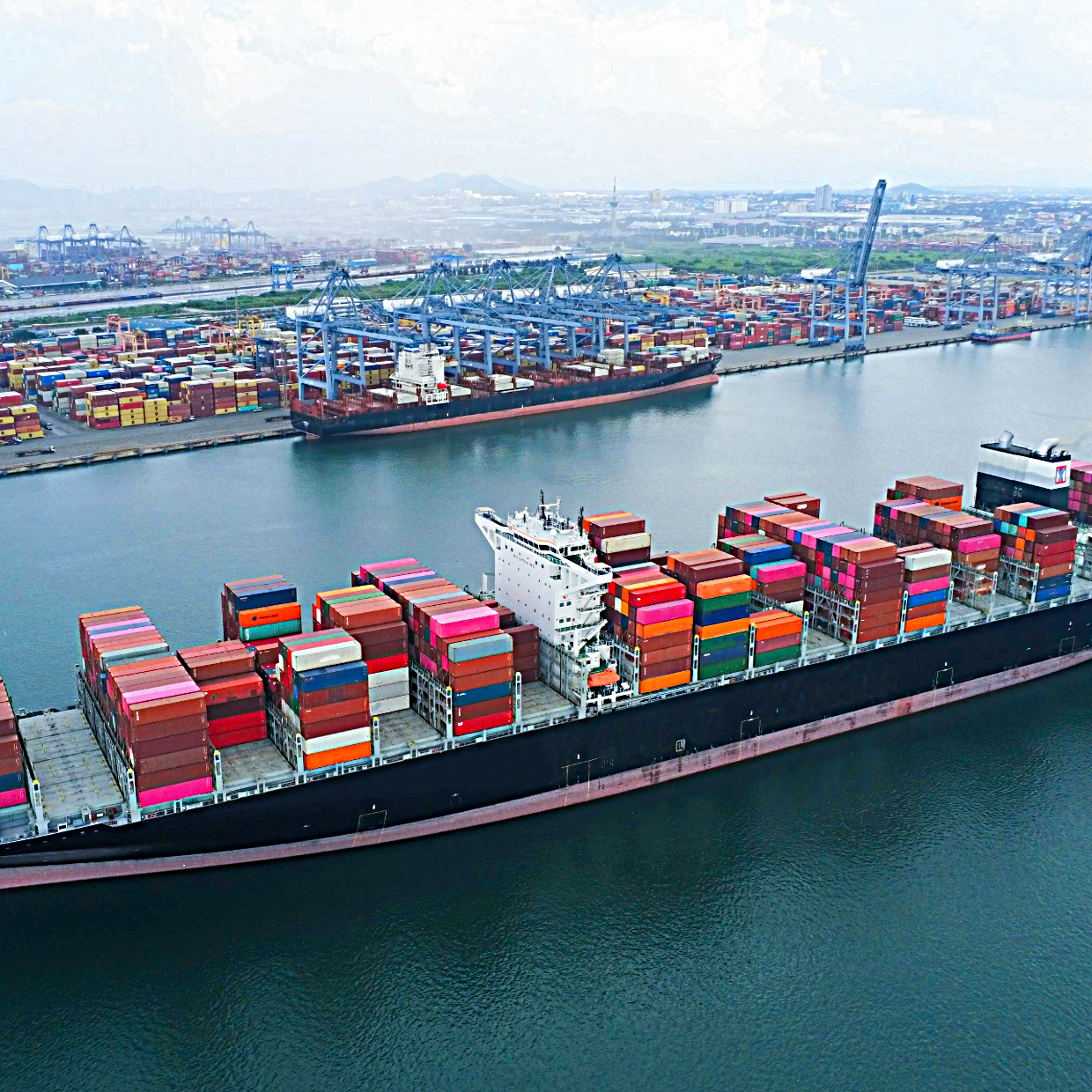
A tariff is a tax placed on imported goods. When a country imposes a tariff, it makes foreign products more expensive to sell domestically.
For example, if the US places a 25% tariff on UK imported steel, American businesses importing steel from the UK must pay an additional 25% tax on top of the purchase price. That cost is usually passed on to US consumers making it uncompetitive and, effectively, singling out and pricing UK suppliers out of the market.
Tariffs are typically introduced for three main reasons:
- To protect domestic industries from cheaper foreign competition
- To raise government revenue
- To apply political or economic pressure on other countries
The case for tariffs
Proponents of tariffs often argue from a protectionist perspective. They would say tariffs:
- Protect local jobs and industries
- Reduce reliance on foreign supply chains
- Give governments leverage in trade negotiations
In the case of Greenland, supporters argue that tariffs can give governments greater leverage in global trade negotiations.
The case against tariffs
Advocates of a more libertarian or free-market ideology tend to be far more skeptical. They argue that tariffs are:
- A tax on consumers, not foreign governments
- Inflationary, pushing up prices across the economy
- Harmful to global trade and economic growth
In this view, tariffs distort markets, reduce choice, and leave households paying more for everyday goods from food and fuel to electronics and clothing.
How does all this affect you?
Whether politically or economically motivated, tariff pressure will impact you in the following ways:
1. Cost of living pressures
Higher import costs can feed into higher prices contributing to inflation. Even modest inflation squeezes household budgets over time.
2. Impact on giving and generosity
When people feel financially stretched or uncertain about the economy, charitable giving is often one of the first things to come under pressure. For churches and Christian ministries, this matters.
3. Economic confidence
Tariffs can dampen business investment and slow growth. A weaker economy affects employment, wages, and long-term financial security such as pensions and investments.
Tariffs don’t show up as a line item on your bank statement
While you won’t see a line in your budget called a ‘tariff cost’, the indirect impact of inflation, slower growth, tighter spending power and generosity will absolutely affect ordinary life.
A final thought
Tariffs are often discussed in political terms, but their consequences are economic and, in the end, personal. While debates continue across borders and governments, the question for each of us remains closer to home: how do we steward what we’ve been given, even when the global picture feels uncertain?
While economic headwinds don’t remove the call to generosity, they do make intentional financial choices more important. For example, when you save with Kingdom Bank you support evangelical churches during times of economic stress. A Kingdom Bank savings account enables churches, Christian organisations and ministry workers to access affordable mortgages so they can own their own accommodation where they can share the gospel and serve their local communities. Your savings are FSCS protected and when you need to use them, you get them back with interest.
In a volatile global economy, decisions about saving, giving and investing become deeply interconnected. Thoughtful, prayerful and considered choices about giving and saving can still be a quiet but powerful way to support the work that matters most.
About the author
Pod is Kingdom Bank’s Chief Market Officer and has experience across the charity, public, and commercial sectors. He is passionate about helping churches and Christian charities thrive.
Pod Bhogal, Chief Market Officer