Are churches filling gaps left by cuts to public services?
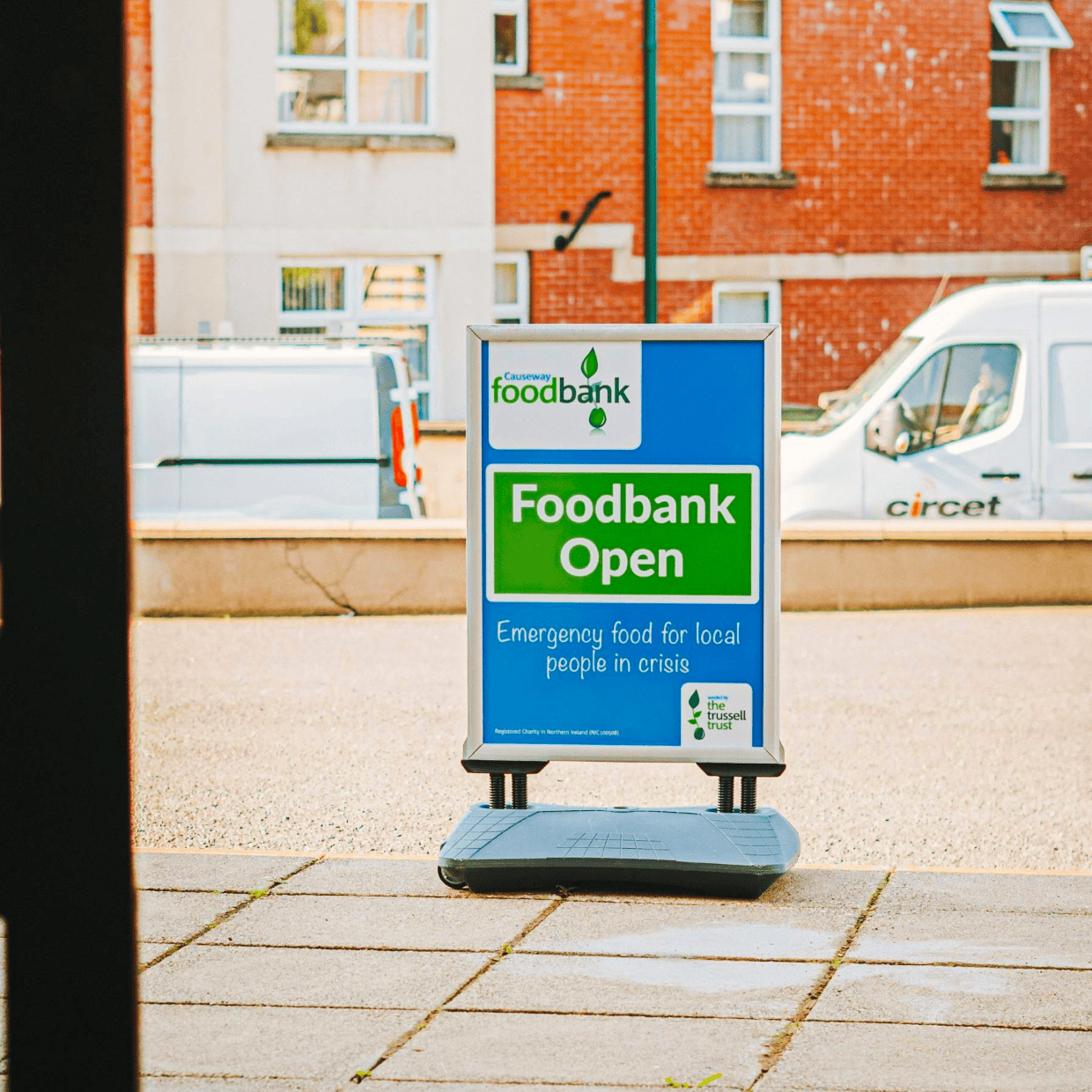
As public services strain under rising demand and limited resources, churches across the UK are quietly becoming one of the nation’s most accessible sources of practical help.

Hannah Oliver, Brand & Campaigns Manager
Churches are making a positive impact for struggling families and are providing a crucial lifeline, says a recent report by Christians Against Poverty (CAP).
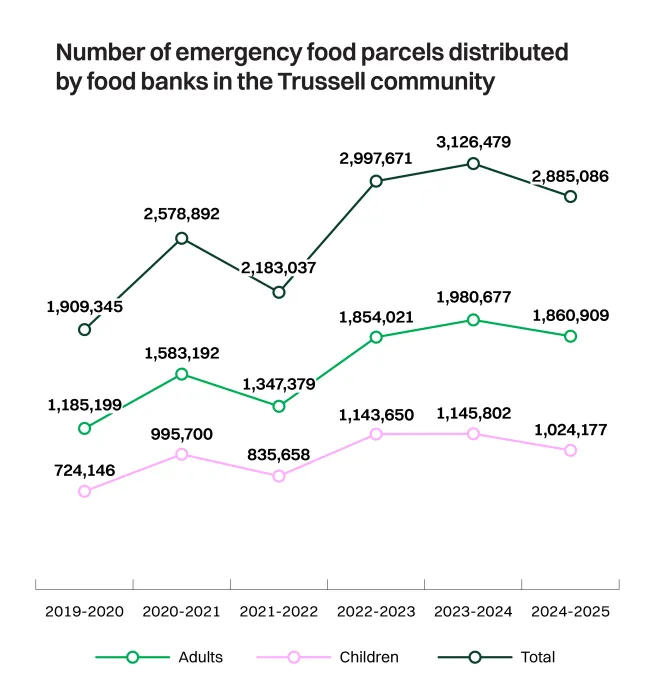
This surge in need comes at a time when public services are under severe strain. Local authorities face long-term funding pressures and welfare support has struggled to keep pace with rising living costs. As a result, the Church is increasingly stepping into spaces once occupied by statutory services.
The report highlights:
- Millions of UK families helped by the local church. Around 12.5 million, almost a quarter (23%) of UK adults, report that they, a family member or a friend have received support from a local church or Christian organisation within the last five years.
- Almost two thirds believe Christian support will be vital in the next year. 65% of UK adults say they think that churches and Christian organisations will play an important role in providing support for families and individuals who are struggling in the next twelve months.
- Across the country, churches are providing compassionate support. Helping people before crises escalate into homelessness, severe debt or mental health breakdown. In many communities, particularly where local services have been reduced, churches are now one of the few places people can turn to for help.
The challenges – making mission sustainable
In times of inflation and public spending cuts, churches will feel called to support those around them while often experiencing the effects of the economic climate themselves:
- Increased operating costs: Churches face the same cost pressures as everyone else – higher energy bills, food costs and maintenance expenses, while also supporting others. This ‘double squeeze’ can be deeply challenging.
- Reduced government support for churches: Cuts to public funding, including limits on schemes supporting church buildings, add further strain to ministry finances.
- The need keeps growing: Demand for support offered by churches, such as debt advice services, foodbanks, warm spaces and mental and emotional health support continues to rise.
While churches will no doubt remain passionate about stepping in to help those in need, there are questions about how this can be sustained under such challenging economic conditions if current trends continue.
The opportunities: Showing and sharing the love of Jesus
Many Kingdom Bank mortgage customers are stepping in to provide for an array of needs, from food parcels to debt advice, and electricity top-ups to emotional support.
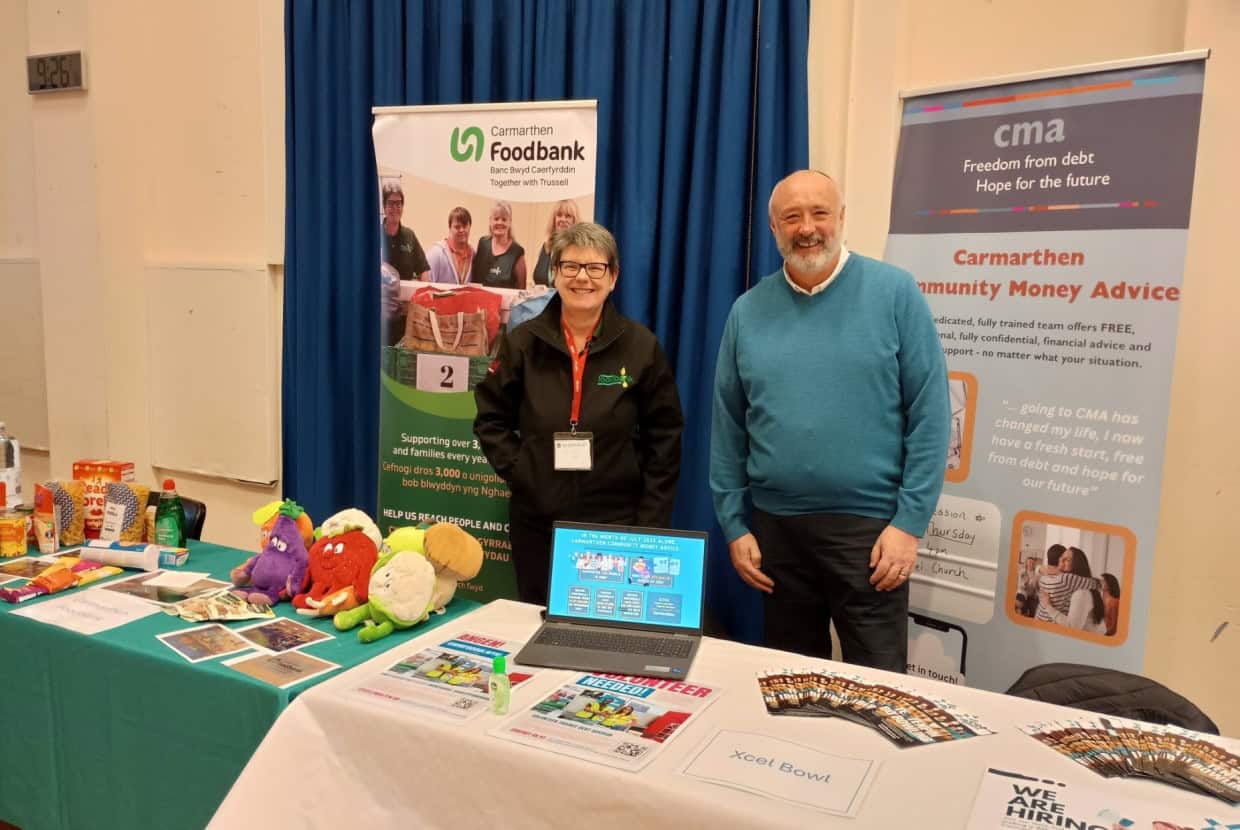
Towy Community Church in Carmarthenshire – which is supported by a Kingdom Bank mortgage – have taken an innovative approach to funding their outreach. When a disused dairy factory came up for sale, the church created the Xcel Project, comprised of a bowling alley to part-fund a local Foodbank, a recycled furniture centre for those on low incomes, and debt advice services.
Sian Wood, Fundraiser at the Xcel Project, comments: “Our Carmarthen Foodbank supported 2,860 individuals and families in 2025 – 97 of which had ‘No Fixed Abode’. The Community Money Advice branch of the project now manages almost £2m of debt and has written off over £180,000 of debt through Debt Relief Orders. We have also increased clients’ income (one-off gains) so their need for Food Aid becomes a thing of the past.”
The economic outlook
The UK is in a season of economic strain and political uncertainty. UK inflation is still elevated at around 3.0 – 3.2 % in early 2026, well above the Bank of England’s 2% target. At the same time, taxation remains high and is set to rise further: the tax-to-GDP ratio is forecast to reach around 37.7 % by 2027–28, a historic high. Local services are already being reduced, and further public spending cuts across community provision now appear inevitable.
How can we respond?
The Church’s role is not to replace government, but to reflect Christ’s compassion wherever people are hurting.
At moments of pressure — when services are stretched and households are struggling — churches often become the most immediate and accessible source of help in their communities. If churches are filling the gaps left by shrinking public services, then how they are funded becomes an increasingly important question.
You can explore how Kingdom Bank customers are helping churches serve their communities and see the difference being made in our 2025 Impact Report.
—
Explore how your savings could help support churches and they serve those around them.
About the author
Hannah is a Brand & Campaigns Manager at Kingdom Bank, overseeing brand development and campaigns. She loves encouraging Christians to maximise the impact of their finances for the sake of the gospel.
Hannah Oliver, Brand & Campaigns Manager